
Sleep hygiene for athletes brings together the habits, schedules and bedroom conditions that help you get enough good-quality sleep. It centres on four areas: a consistent sleep schedule, the timing of training and stimulants, a relaxing bedtime routine, and a sleep environment—including your mattress and pillow—that suits your body. This guide explores each area using the available evidence, with practical steps you can start taking this week.
ONIRIC
Tailor your sleep to your body
Oniric assesses sleep habits and body pressure distribution to provide advice on sleeping posture and recommend personalised ergonomic sleep systems for cyclists.
Discover OniricKey points
- Sleep is a foundation of recovery. Sleep deprivation can impair reaction time, accuracy, submaximal strength, endurance and decision-making.
- Sleep needs vary. Adult guidelines generally recommend 7–9 hours, while athlete sleep recommendations also emphasise individual needs.
- A consistent schedule, careful timing of caffeine and alcohol, dim evening lighting and a relaxing bedtime routine are the core habits.
- A dark, quiet bedroom at a comfortable temperature—and a suitable sleep surface—are part of sleep hygiene.
- If sleep problems persist despite these changes, speak to a healthcare professional.
What is sleep hygiene, and why does it matter for athletes?
Sleep hygiene is a framework of habits and environmental conditions that support good-quality sleep. Research into its direct effects on physical performance has produced mixed results. Its role in supporting sleep, daytime alertness and overall health helps explain why it matters for recovery and the quality of your next training session.
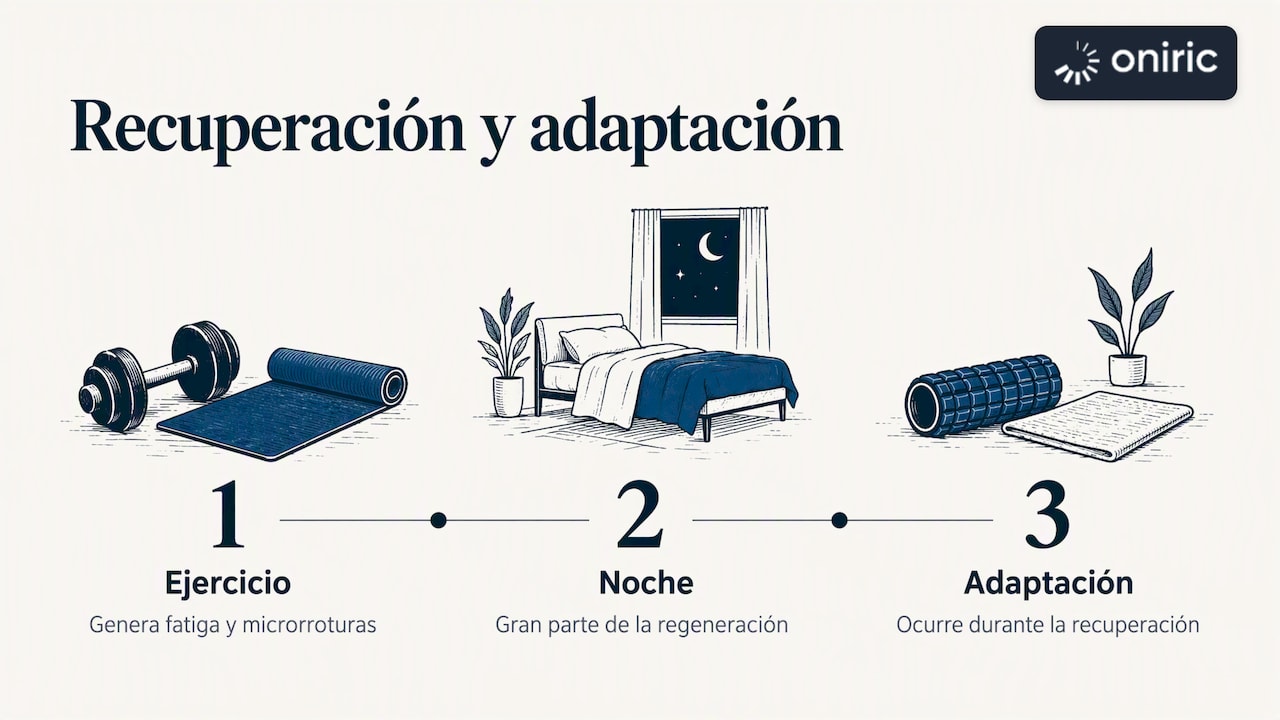
Training provides the stimulus for adaptation, including muscle loading, energy use and nervous system fatigue. Recovery gives your body the opportunity to respond, and sleep is an essential part of that process. A 2023 review identified extending sleep through naps or longer night-time sleep as one of the most effective sleep interventions for improving physical and cognitive performance in athletes.
Yet athletes may get less sleep than they realise. A 2020 systematic review reported that the athletes studied slept an average of 7.2 ± 1.1 hours per night, with most sleeping less than eight hours. The British Journal of Sports Medicine consensus also highlights that elite athletes are particularly susceptible to inadequate sleep, including regularly sleeping less than seven hours or experiencing poor sleep quality.
How much sleep do you actually need?
There is no single target that suits everyone. Guidelines cited in the athlete sleep consensus suggest 8–10 hours for a 15-year-old and 7–9 hours for a 30-year-old adult. A 2025 review also notes that athletes may need more sleep than the general population, and that sleep needs and patterns change across the lifespan.
Three observations can help you understand your own needs:
How you feel on waking. Notice how rested you feel when you can wake without an alarm during a week of moderate training load.
How sleepy you feel during the day. Relying on caffeine to get through the morning or regularly falling asleep on the sofa in the early afternoon may suggest that you are not getting enough sleep.
How you respond to training. Unexplained heavy legs, a higher resting heart rate than usual or lower motivation can coincide with shorter nights, although these signs can have other causes too.
If you usually sleep seven hours, how much could you add?
The review by Cunha et al. (2023) describes sleep extensions of 46–113 minutes over periods of 3–49 nights. These ranges provide context rather than an individual prescription. Bringing bedtime forward by 30–45 minutes and keeping that schedule consistent is a practical starting point.
Napping as a recovery tool
The same review reports that naps lasting 20–90 minutes can improve performance after a normal night's sleep and help restore performance after partial sleep restriction. If you nap, aim for the early afternoon and adjust the duration so it does not make it harder to sleep at night.
Habits that support better sleep
The most useful changes are often straightforward. Apply them consistently and build a routine that fits your training and daily life.
A consistent sleep schedule, even at weekends
Start with a regular wake-up time. The UCSD guidance included in a review of sleep hygiene and athlete recovery recommends waking at the same time each day. This provides a regular cue for your body clock. If early training sessions mean getting up early during the week, try to avoid shifting your weekend wake-up time by several hours.
Caffeine and alcohol
The same guidance recommends limiting caffeine after lunch. If you train late and use coffee or a pre-workout supplement, consider the timing: caffeine taken at 18:00 may still affect you at midnight. Alcohol may make you feel sleepy initially, but it can disrupt sleep later in the night. Avoiding it close to bedtime can help protect sleep continuity.
Light, screens and winding down
Hatia et al. (2024) discuss dimming the lights in the two hours before bed and limiting physically, mentally or emotionally stimulating activities before sleep. In practice:
Lower the lighting at home as the evening progresses.
Keep your phone out of bed. If you do use it, reduce the brightness and avoid work emails or stimulating social media.
Review training data, graphs and plans earlier in the evening, ideally before dinner.
Finish the day with something relaxing: reading, slow breathing, gentle stretching or a warm shower.
Keep the bed associated with sleep
The guidance also recommends avoiding activities in bed that keep you awake. Watching series, working or checking your race calendar can weaken the association between bed and sleep. If you have been awake for around 20 minutes, get up and do something quiet in dim light, then return when you feel sleepy.
Sleep education and monitoring
Cunha et al. recommend that practitioners provide sleep education for athletes and coaches. A narrative review covering research up to July 2024 also discusses the role of sleep monitoring in identifying and managing sleep problems in athletes. A simple diary can be useful: record when you go to bed, when you wake, how you feel on waking and your daily training load. If you work with a coach, sharing these observations can help put your recovery into context.
Training load, timing and sleep
Training and sleep influence each other. Regular exercise can support sleep, while the timing and demands of your sessions can affect how well you recover overnight.
High intensity close to bedtime. The UCSD guidance cited in the sleep hygiene review notes that intense exercise immediately before bed may increase cortisol and make it harder to fall asleep. If evenings are your only opportunity to train, schedule demanding sessions when you can leave more time before bed and finish with a gradual cool-down.
Periods of high training load. The 2020 systematic review found that sleep duration was, on average, 36 minutes shorter during intensive training than during the pre-season. Sleep quality and sleep architecture also varied across training phases. This creates a practical challenge: sleep can become harder to protect just when recovery demands increase. Allowing more time for sleep during demanding weeks should be part of training planning.
Competition and travel. Before an endurance event or gran fondo with an early start, the sleep hygiene review discusses extending sleep over the preceding days, an approach known as sleep banking. It may be useful when you expect the night before the event to be short.
Your bedroom, sleep surface and sleeping posture
A paper published in e-Moti-on at the University of Huelva describes a suitable sleep environment as dark, quiet, comfortable and temperature-controlled. Simple changes can help: blackout curtains or an eye mask, earplugs when needed, and a cool, well-ventilated room.
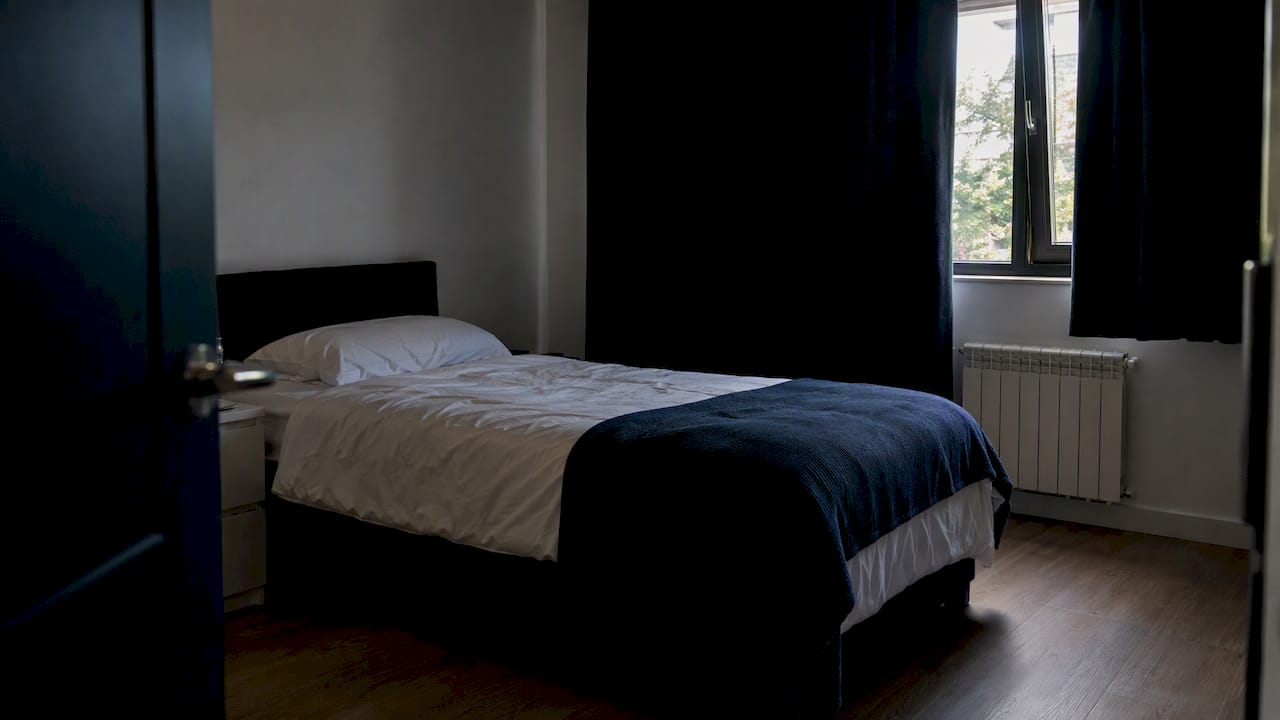
One factor often receives less attention in general sleep advice: the surface supporting your body. For cyclists, this deserves consideration alongside training habits. Hours on the bike involve sustained hip and spinal flexion, loading through the neck, shoulders and hands, and thousands of repeated pedal strokes. At night, a mattress and pillow that do not suit your body shape and sleeping position may contribute to localised pressure, repeated position changes or waking with discomfort.
Before buying anything, ask yourself:
Do you wake with stiffness in your lower back or neck, or tingling in your arms?
Do you keep changing position to find somewhere comfortable?
Is your mattress more than ten years old, or has it lost support around your pelvis and shoulders?
Does your pillow fail to keep your head aligned with your spine in your usual sleeping position?
If you answer yes to several questions, it is worth assessing your mattress and pillow alongside your sleep habits. These signs do not identify a single cause, and persistent symptoms should be discussed with a healthcare professional.
The Oniric perspective: biomechanics is part of better sleep
At Oniric, we start from a simple premise: performance begins before you get on the bike. The hours you spend recovering at night are part of your training, and both your sleep habits and the support beneath your body deserve attention.
Alongside reviewing sleep routines, we combine an anthropometric assessment with pressure mapping to understand how your body is supported and identify asymmetries in pressure distribution or areas of concentrated pressure. These findings inform advice on sleeping posture and the configuration of ergonomic sleep systems tailored to each athlete.
We see recovery as an ongoing process of load and adaptation. Your needs can change with your body, your training and the demands of the season. Oniric Recovery Evolution provides ongoing follow-up to help keep your sleep system aligned with those changes.
Good sleep habits are the foundation of our approach. A sleep surface that suits your body complements those habits. Bringing both together is where our personalised approach adds value.
José
Putting it into practice: a four-week plan
Changing everything at once can make a new routine difficult to sustain. Build it gradually:
Week 1: Set a consistent wake-up time. Keep it for seven days and record how you feel on waking.
Week 2: Create an evening routine. Avoid caffeine after lunch, dim the lights in the two hours before bed and keep your phone out of bed.
Week 3: Allow more time for sleep. Bring bedtime forward by 30 minutes. If you train in the evening, review the timing and intensity of your late sessions.
Week 4: Review your sleep environment. Adjust light, noise and temperature, and assess whether your mattress and pillow provide suitable support in your usual sleeping position.
At the end of the month, review your diary: sleep duration, how you feel on waking and the quality of your key training sessions. For more on interrupted sleep, read our article on why you wake up at 4 a.m.. Our Sleep and Performance section explores the relationship between sleep, recovery and training in more detail.
When to seek professional help
Good sleep habits can help with some sleep difficulties, but persistent problems need assessment. If, after several weeks, you still take a long time to fall asleep, wake repeatedly and struggle to get back to sleep, or experience pronounced daytime sleepiness, speak to your GP. Seek advice too if someone notices that you snore with pauses in your breathing. Your doctor can assess whether you need a referral to a sleep specialist. Fatigue that does not improve despite enough rest also warrants medical assessment, particularly during periods of high training load.
A sleep system tailored to your body
If you already look after your sleep habits and want to understand whether your mattress and pillow suit your body, Oniric offers an in-person assessment with pressure mapping at our Recovery Lab, by appointment. We review your sleep routines, body measurements and pressure distribution on the mattress to inform a more individual approach to your sleep setup.

Frequently asked questions
How can I improve my sleep if I train in the afternoon or evening?
Keep a consistent wake-up time and, where possible, leave more time between demanding sessions and bedtime. Finish training with a gradual cool-down. The UCSD guidance cited in the article notes that high-intensity exercise immediately before bed may make it harder to fall asleep. Afterwards, lower the lighting and allow time to wind down.
How much sleep does an athlete need?
General guidelines recommend 7–9 hours for adults and more for teenagers. Athletes may need more, depending on their individual needs and training demands. Consider how rested you feel on waking, your daytime sleepiness and your response to training when adjusting the time you allow for sleep.
Can napping help recovery?
Yes. A 2023 review reports that naps lasting 20–90 minutes can improve performance after a normal night's sleep and help compensate for partial sleep restriction. Aim for the early afternoon and choose a duration that does not interfere with your night-time sleep.
Can my mattress affect sleep quality?
Your sleep environment, including your mattress and pillow, helps create the conditions for good sleep. If you wake with discomfort or repeatedly change position to get comfortable, it is worth assessing whether they provide the support your body needs. At Oniric, we use anthropometric assessment and pressure mapping to inform that assessment.
When should I speak to a doctor about my sleep?
Speak to your GP if sleep problems persist for several weeks despite changes to your habits, or if you experience pronounced daytime sleepiness, snoring with pauses in breathing, or fatigue that does not improve with enough rest. Your doctor can assess whether further investigation is needed.
Sources
- Sleep hygiene for optimizing recovery in athletes: review and recommendations (PMC)
- British Journal of Sports Medicine: Consensus on sleep in athletes (2021)
- The Impact of Sleep Interventions on Athletic Performance (PMC, 2023)
- Deconstructing athletes’ sleep: a systematic review (PMC, 2020)
- A Narrative Review of the Impact of Sleep on Athletes (PMC, 2024)
- Sleep and performance across the lifespan (Taylor & Francis, 2025)
- Importance of sleep in performance and health (e-Moti-on, University of Huelva)
Conversation
0 comments
There are no comments on this article yet.
To join the conversation, you need to sign in.